The UK government declared a severe drought in six counties in southern England on October 15 after an exceptional run of heat and low rainfall placed water supplies under sustained pressure. Cornwall, Devon, Dorset, Somerset, East Sussex and West Sussex entered the highest drought category used for conditions marked by exceptionally low indicators over an extended period.
The declaration followed Britain’s hottest summer on record in 2026 and a shortage of rain described as unmatched since records began in 1836. More than 80% of England was already in drought, and below-average rainfall continued into autumn instead of replenishing rivers and reservoirs. The southeast and southwest recorded their driest April-to-September period in more than a century.
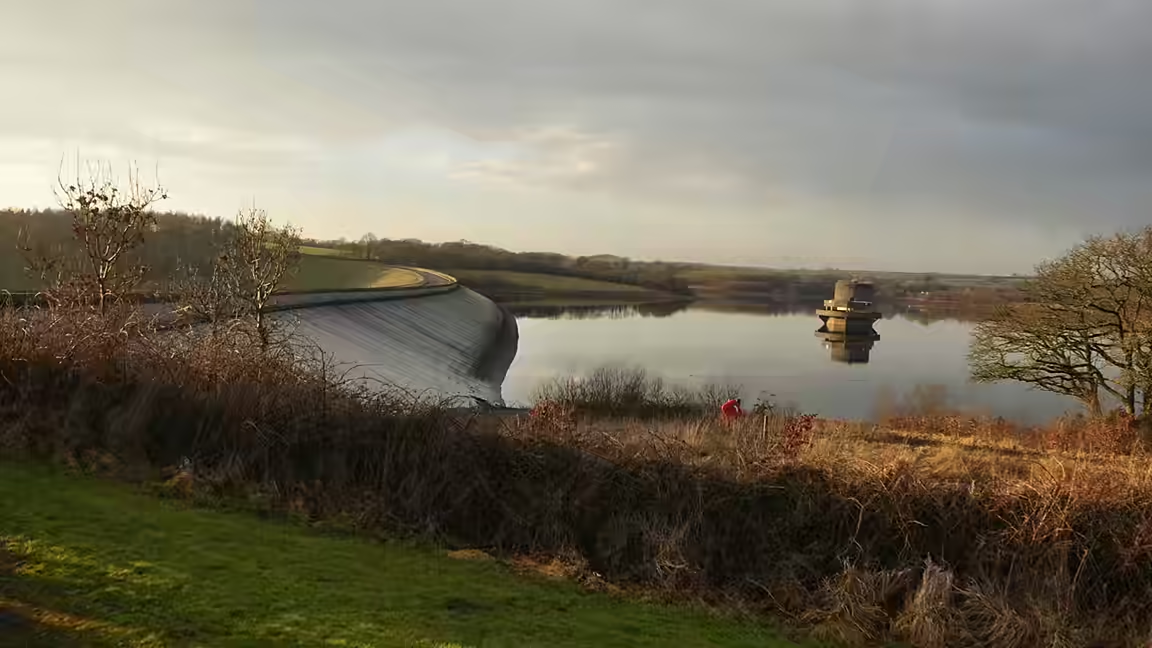
Storage figures illustrated the severity of the shortfall. Two major reservoirs in southwest England that serve nearly 400,000 properties were below 20% capacity. The Environment Agency said storage at those sites would normally be around 75% at this point in the year. Across England, average reservoir levels stood at 54% in the preceding week, while the country had received only 10% of its average October rainfall.
Environment Agency chief Philip Duffy said record summer heat and severe drought had put water resources under intense pressure. Environment minister Angela Eagle said the country had not experienced drought at this level for decades. The official classification is more than a description of dry weather: it signals the need for closer management of depleted supplies and coordination among government, water providers and affected sectors.
Authorities urged water companies to monitor how much water they draw from natural sources and asked consumers to reduce use. Restrictions were already in place in several regions. Since August, the government has convened the National Drought Group every week, bringing together the weather service, water companies, specialists and farming representatives.
The consequences extend beyond household water supplies. Months of dry conditions have affected farmers and anglers, while firefighters faced difficult wildfires during a summer in which vegetation became unusually combustible. Low reservoir and river levels can also increase stress on ecosystems and restrict the choices available to utilities if significant rainfall does not arrive.
Scientists say climate change is intensifying heatwaves and drought, increasing the frequency with which weather records are broken. The declaration does not predict how long the current shortage will persist, and recovery will depend on sustained rainfall rather than a brief spell of wet weather. With major reservoirs dramatically below seasonal norms, officials are treating the problem as a long-term resource challenge that will continue well beyond the end of the hot summer.