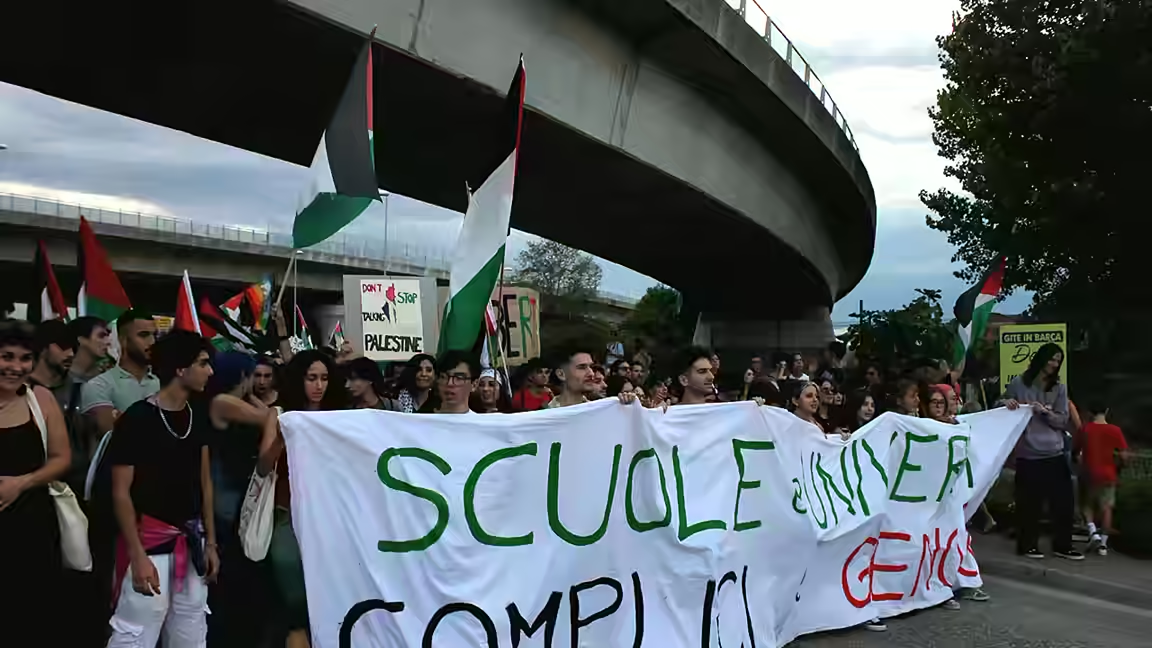
A general strike called by grassroots unions brought large demonstrations, transport disruption and confrontations with police across Italy on October 30. Rai News reported marches and blockades in Rome, Milan, Turin, Bologna, Genoa, La Spezia, Naples and other cities, with protesters focusing on rising living costs and opposition to military spending.
The mobilization combined workplace action with student, housing and political campaigns. Demonstrators entered port areas in Genoa, La Spezia and Naples, while groups in Milan and Bologna moved onto ring roads. Students occupied a university in Pisa. Organizers said the scale of participation showed broad opposition to government priorities, although their claim that millions joined was not independently quantified in the supplied report.
Rome saw some of the day's most serious confrontations. Protesters attempting to move toward the Circus Maximus area encountered police lines near Ponte Sublicio and along Viale Aventino. Rai reported bottles, stones, powerful firecrackers and other objects thrown toward officers. Police used water cannon and containment maneuvers. Authorities temporarily detained eight people for identification and checks, according to the report.
Tensions also rose in central Turin, where a group including masked participants reached Via Roma and threw bottles at police. Riot units responded with charges and tear gas. Later, a larger march continued through the city, and Rai also described calmer moments in which demonstrators spoke with officers and offered flowers. That contrast underscored the varied character of a nationwide day involving many separate groups.
In the capital, the protest evolved into an encampment along Via dei Fori Imperiali. The USB union federation described it as a rights camp bringing together workers, students, housing activists and other organizations. Organizers planned overnight events followed by a national assembly to discuss further action. Turin organizers separately announced another demonstration for November 7.
Government figures condemned the violence. Education Minister Giuseppe Valditara thanked police and said several demonstrations had involved violent acts. Union organizers argued that broken windows and clashes should not distract from demands for a response on wages, living standards and rearmament. Both statements reflect the positions of participants in a politically contested event.
The strike's longer-term effect will depend on participation data, service disruptions and the government's response. The supplied report establishes widespread demonstrations and documented clashes but does not provide a final national count of arrests, injuries or strike participation. With follow-up gatherings already announced, organizers indicated that the October 30 action was intended as the start of a broader campaign rather than a single day of protest.