A Black Friday comparison based on eight years of receipts has documented a sharp rise in the cost of high-capacity hard drives for one home-server operator. The figures offer a buyer-level snapshot rather than a complete market survey, but they show how higher retail prices can reshape decisions about storage capacity and system design.
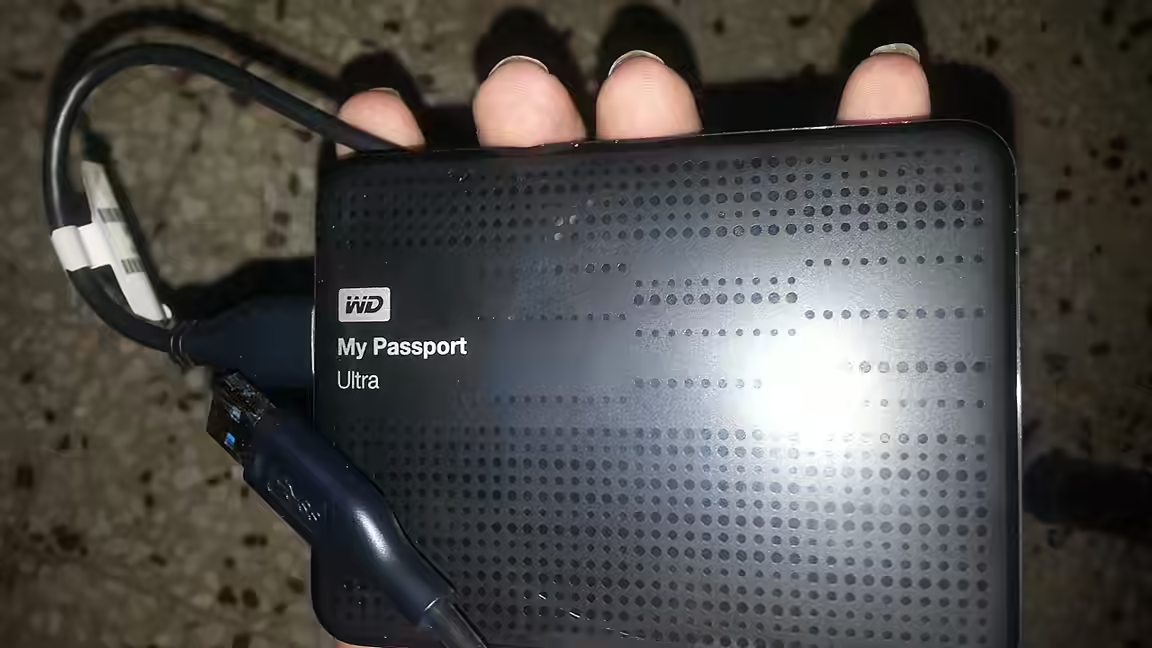
Self-hosting writer Alex Kretzschmar reported that a 20TB Western Digital EasyStore external drive was advertised for $549.99 in late November 2026. He paid $249.99 for the same product at the same retailer in November 2024. The cited price therefore rose by $300, while the effective cost increased from roughly $12.50 to $27.50 per terabyte. An 8TB EasyStore Black Friday offer was listed at $299.99, or $37.50 per terabyte.
Scaling the comparison to a network-attached storage system makes the effect clearer. Four of the 20TB drives would have cost $999.96 at the author's 2024 purchase price. At the listed 2026 price, they would cost $2,199.96, an increase of $1,200 before buying a case, motherboard or memory. A redundant array would also reserve some of that nominal capacity for parity rather than user data.
The receipts provide earlier reference points. Kretzschmar bought five 10TB EasyStores for $179.99 each in 2018. In October 2023, three 18TB drives cost him $599.97 in total. In August 2024, four recertified 14TB enterprise drives cost $529.96 before tax, equivalent to $9.46 per terabyte. He said prices across the examples he checked were at least 58 percent higher, with some increases reaching 218 percent, depending on the product and comparison date.
External drives have historically appealed to some home-server users because the internal disk can be removed from its enclosure and installed in a server, a practice known as shucking. That strategy becomes much less attractive when an external model costs more per terabyte than earlier enterprise or recertified options. Kretzschmar said one response could be to run fewer physical disks as individual capacities increase, although changing an existing ZFS pool layout would require moving data and reorganizing the array.
The writer also traced consolidation among hard-drive makers, leaving Seagate, Western Digital and Toshiba as the three large suppliers he identified. His post argues that a concentrated market and suppliers' focus on cloud customers contribute to the consumer squeeze. The supplied evidence does not independently establish a cause for the price changes, however, and it does not support the post's allegation of collusion.
The defensible finding is narrower: the same buyer's dated records and current listings show that building an 80TB four-drive system from the cited product now costs far more than it did two years earlier. For home labs and small storage deployments, that difference may encourage delayed upgrades, fewer disks or greater use of existing capacity.