Koppar says a USB-C LTE modem generated from a one-page specification has now been built and tested, registering on a 4G network, sending and receiving text messages, and placing and answering calls through a Mac’s microphone and speakers. The result moves the project from an AI-generated circuit-board design to a functioning physical prototype.
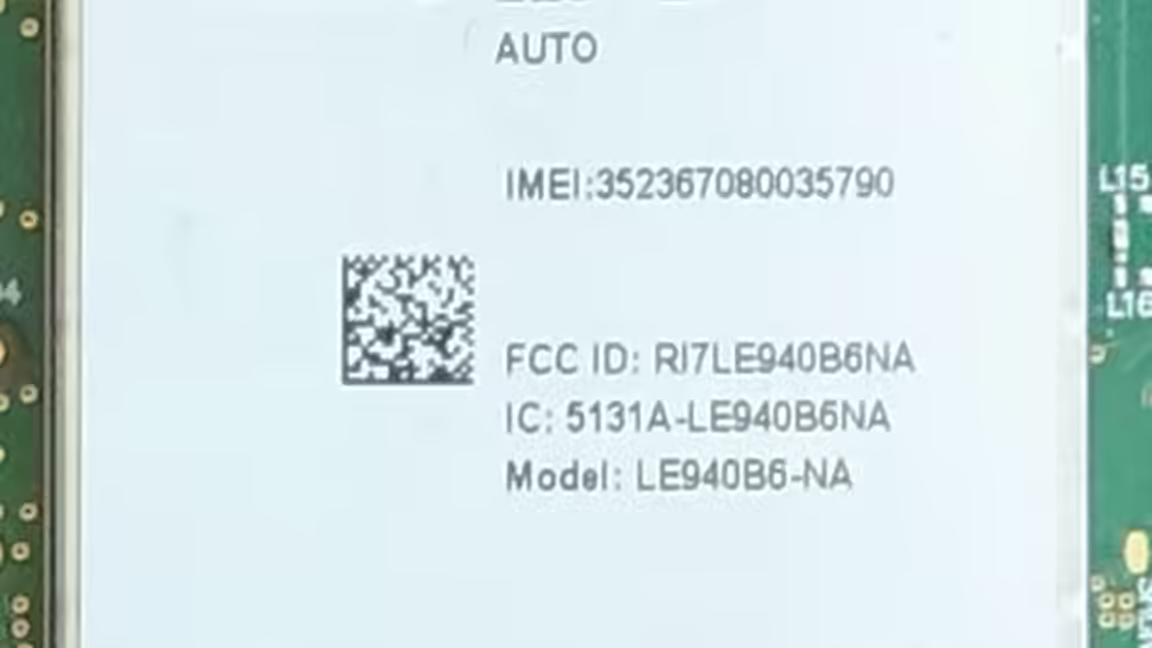
The four-layer board measures 85 by 65 millimeters. It combines a Quectel EC25-EUX cellular module, an RP2040 microcontroller that acts as a USB audio device, a USB hub and a 3.8-volt buck converter. JLCPCB assembled the main board, while the project team soldered the cellular modules by hand. The second board reportedly worked end to end after bring-up during November.
Koppar also created a macOS menu-bar application called Koppar Phone. The software handles texts and calls through the computer, includes voicemail for missed calls and displays network details. Firmware, host software and a command-line interface for macOS and Linux are available with the hardware files in the project repository.
The working prototype does not mean the automated design was ready to manufacture without human review. Koppar said its initial schematic, component selection, placement and routing passed the checks performed by its system. Engineers then compared the design with component data sheets and identified 12 problems outside those automated checks, including incorrect antenna-feed geometry and a SIM socket facing into the board. They corrected every listed problem before ordering and manually redrew the copper.
Hardware bring-up revealed further improvements proposed for a future revision. The team’s list includes physical boot and reset buttons, test pads on control pins, a module-status light, detection for a disconnected cable and signed firmware updates. Koppar said its system currently adds recovery and test access only when a specification explicitly requests them, making those omissions lessons for future input specifications.
The board has also become a test case in RealPCB, a benchmark that asks AI agents to lay out production-oriented circuit boards in KiCad. In that benchmark, agents receive the LTE board’s 115 unplaced components and connections and have two hours to complete a layout. The grader compares rule compliance and several quality measurements against Koppar’s released revision-B design.
According to Koppar, five of six frontier models failed to match the released layout under the benchmark’s criteria. That comparison is not a simple contest between fully autonomous systems: the physical board that worked had undergone the team’s data-sheet review and manual corrections. It nevertheless provides a concrete reference for evaluating automated PCB layout rather than relying only on synthetic examples.
The project is licensed as open hardware under CERN-OHL-P-2.0. Its repository includes KiCad sources, manufacturing files, firmware and build notes. Builders must source and solder the EC25 module separately and use a USB-C power source capable of supplying three amps.