A web project recompiles four early-1990s PC demos instruction by instruction, preserving their original loaders, music systems and effects while modelling the hardware in a browser.
The EU diplomatic service, Lithuania and Canada pulled sponsorship or participation from #Disinfo2026 after US objections to a panel examining the United States as an information threat.
The early tsc-rs release claims broad compatibility and faster checks than Microsoft’s Go compiler, while its creator warns that it remains experimental.
A Criteo engineering essay argues that curiosity, close review and independent practice remain essential as coding agents take on more implementation work.
A Reading-area site featuring four underground levels, a miniature railway and more than 1,300 square feet below ground carries a £300,000–£325,000 guide price.
An independent benchmark reports large token savings when completed records are rewritten in compressed 'cablese,' while warning that the method does not suit every model or task.
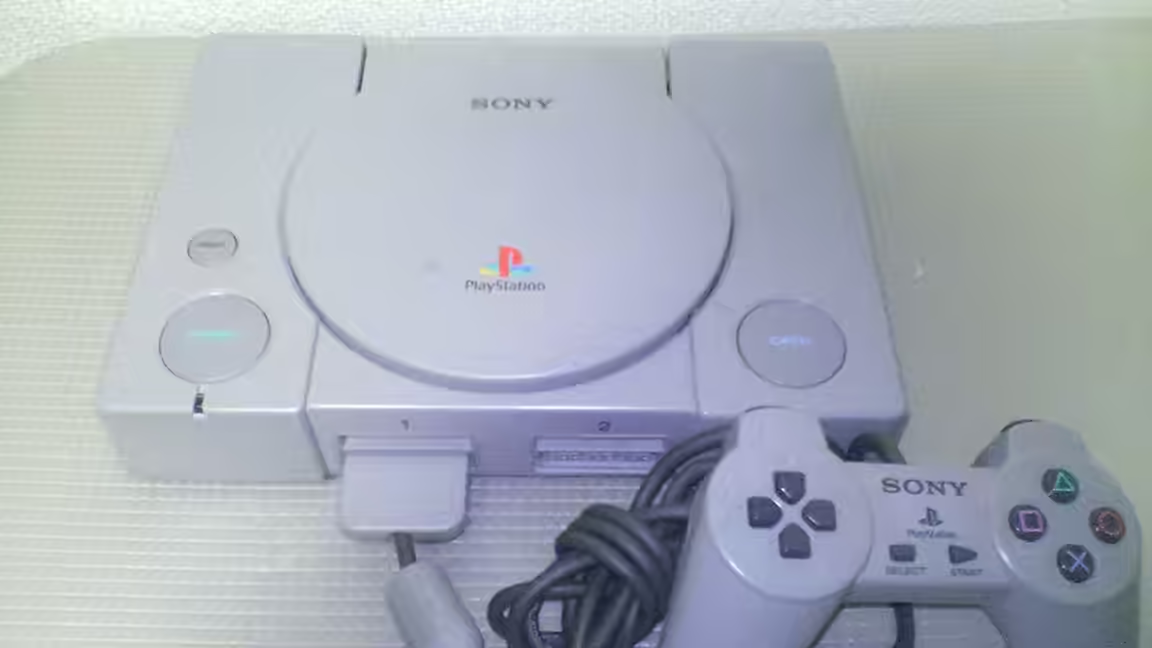
A newly reported exploit expands the range of PlayStation 5 system software open to hobbyist modification, though its reach and impact remain uncertain.
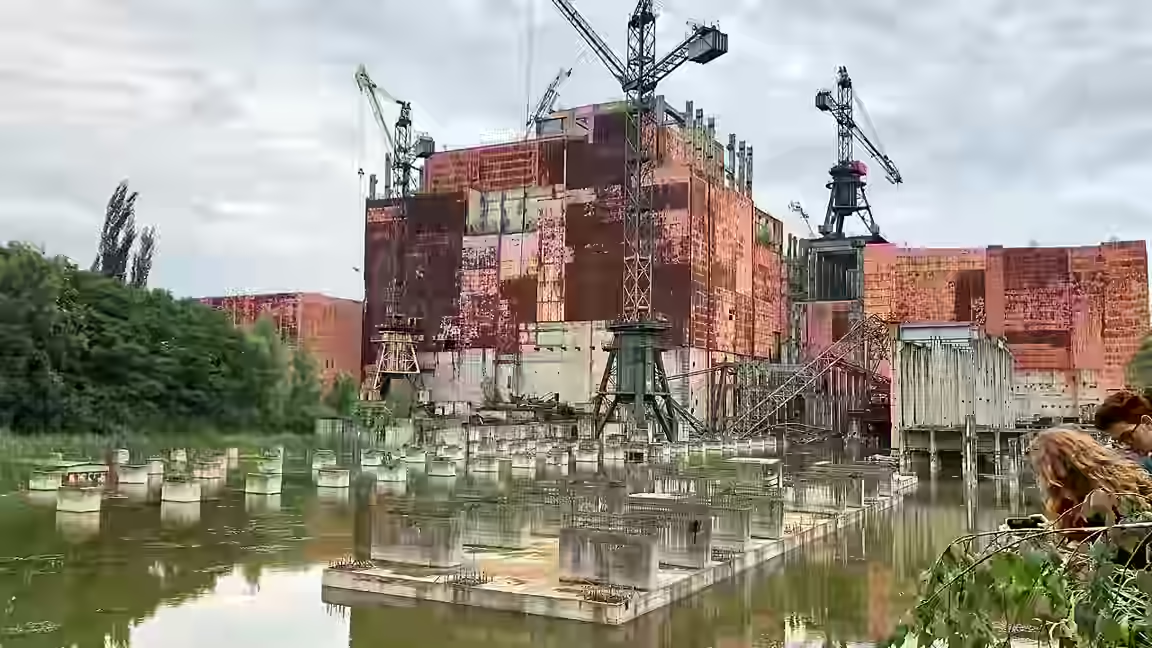
X-ray analysis of six radioactive particles found their uranium-oxide structures had changed less than researchers expected, while leaving broad safety conclusions unresolved.
A Kubernetes incident-diagnosis experiment paired programmatic evidence collection with a compact decision model, exposing both speed advantages and important limits.
Strands Decider replaces free-form text generation with option scoring, targeting low-latency routing, policy and agent-workflow decisions on local hardware.